Treatments
HomeBook Appointment

Comprehensive Dermatological Care

Care begins with the right diagnosis.

Our focused clinics bring medical dermatology, procedural care, patient education and appropriate technology together. Every treatment plan begins with clinical evaluation and is adapted to the diagnosis, severity, medical history and goals of the individual patient.

Focused Clinics

Explore our treatment areas.

Select a clinic to understand the concerns it addresses, how evaluation is approached and the forms of care that may be considered after consultation.

Dermatological evaluation for skin allergy01

Allergy & Urticaria Clinic

Identify patterns. Control reactions.

Allergic and urticarial conditions can look similar while having very different causes. Evaluation focuses on the timing, distribution and duration of symptoms, exposure history, medicines and associated swelling or breathing symptoms.

Common concerns

  • Hives and recurrent swelling
  • Contact reactions and itching
  • Suspected product or occupational triggers

Clinical approach

Testing such as patch testing or selected allergy investigations is advised only when clinically relevant. Care focuses on symptom control, trigger guidance and an emergency plan when necessary.

Acne treatment consultation02

Acne Clinic

Control active acne. Protect against scars.

Acne is assessed by type, severity, skin characteristics, scarring risk and possible hormonal or lifestyle influences. Active acne, pigmentation and established scars are treated as related but distinct concerns.

Common concerns

  • Blackheads, inflammatory acne and painful nodules
  • Post-acne pigmentation
  • Depressed or raised scars

Clinical approach

Plans may combine skincare guidance, prescription treatment and selected procedures such as chemical peels, resurfacing, microneedling or scar procedures after inflammation is controlled.

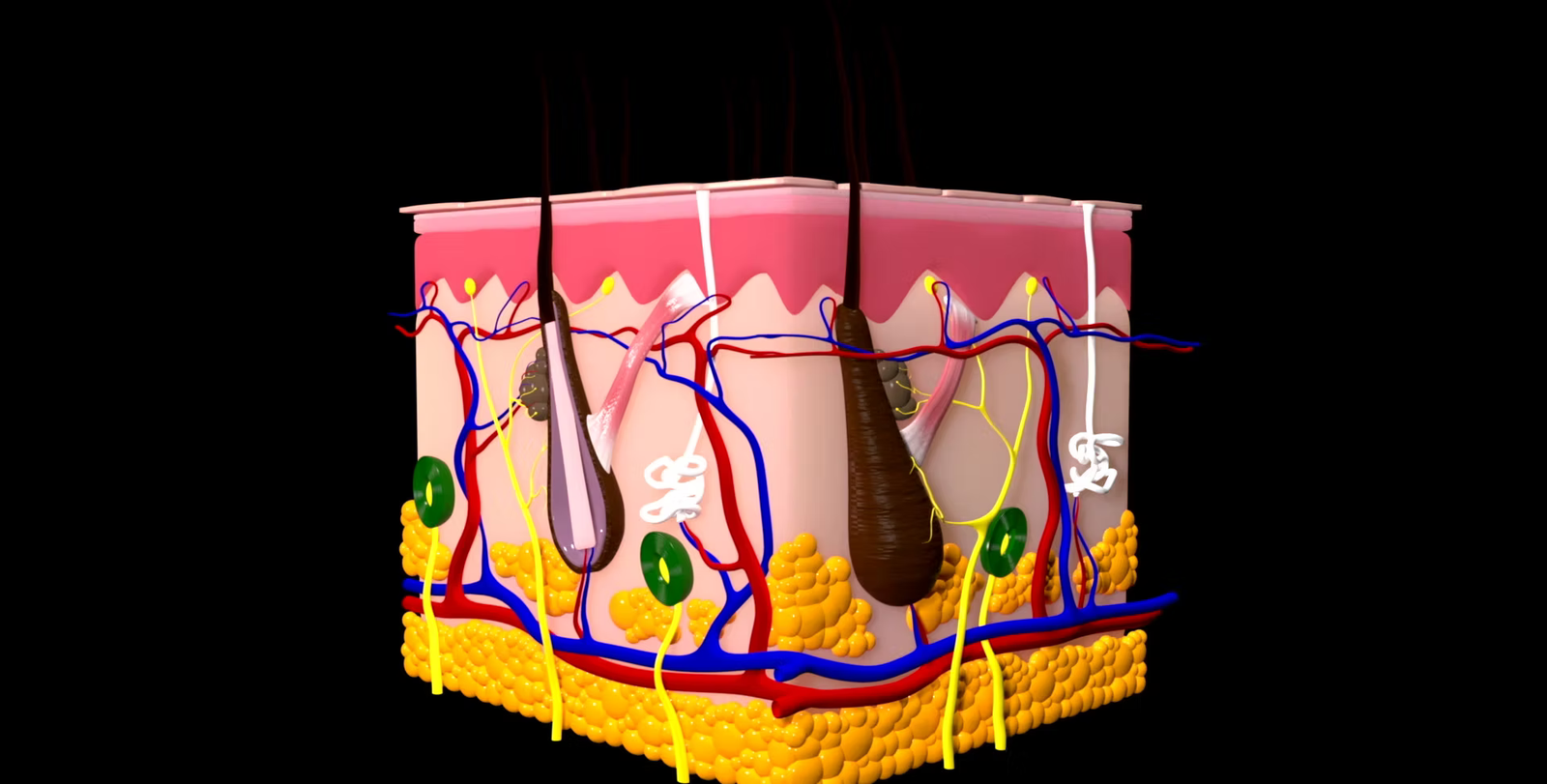
Skin structure used in aesthetic dermatology planning03

Aesthetic Dermatology

Natural-looking care guided by skin health.

Aesthetic consultation begins with skin quality, facial structure, medical history and realistic goals. Procedures are selected conservatively, with attention to suitability, recovery time and expected limitations.

Areas discussed

  • Photoageing and uneven texture
  • Lines, volume change and laxity
  • Pigmentation and skin rejuvenation

Possible options

Depending on assessment, care may include peels, resurfacing, energy-based procedures, injectables or structured skincare. No procedure is appropriate for every patient.

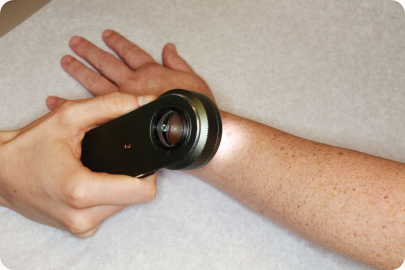
Microscopy supporting dermatopathology diagnosis04

Skin Cancer Clinic

Early assessment of suspicious lesions.

New, changing, bleeding or non-healing lesions require careful examination. Clinical assessment may be supported by dermoscopy, biopsy and dermatopathology to establish an accurate diagnosis.

When to seek evaluation

  • A changing mole or pigmented lesion
  • A persistent ulcer, lump or scaly patch
  • A lesion that repeatedly bleeds

Clinical approach

Management depends on diagnosis, site, size and stage. Suitable cases are planned for procedural treatment, surgery or appropriate specialist referral.

Eczema and dermatitis care05

Eczema & Contact Dermatitis Clinic

Repair the barrier. Reduce repeated flares.

Eczema includes several inflammatory conditions that weaken the skin barrier. Evaluation identifies the pattern, severity, possible triggers, occupational exposure and signs of infection.

Common concerns

  • Dry, itchy and inflamed skin
  • Hand eczema and occupational dermatitis
  • Reactions to cosmetics, metals or hair dye

Clinical approach

Care combines barrier repair, anti-inflammatory treatment, infection management and practical trigger avoidance. Patch testing may help when allergic contact dermatitis is suspected.

Detailed clinical imaging for dermatological assessment06

Genetic Disorders Clinic

Structured evaluation for inherited conditions.

Some disorders of the skin, hair and nails have an inherited basis. Assessment combines clinical examination, family history and review of associated medical findings.

Evaluation may include

  • Pedigree and family-history review
  • Clinical photography and documentation
  • Selected laboratory or genetic referral

Clinical approach

When useful and available, genetic testing and counselling are coordinated with appropriate laboratories and specialists. Supportive treatment and long-term monitoring are individualised.

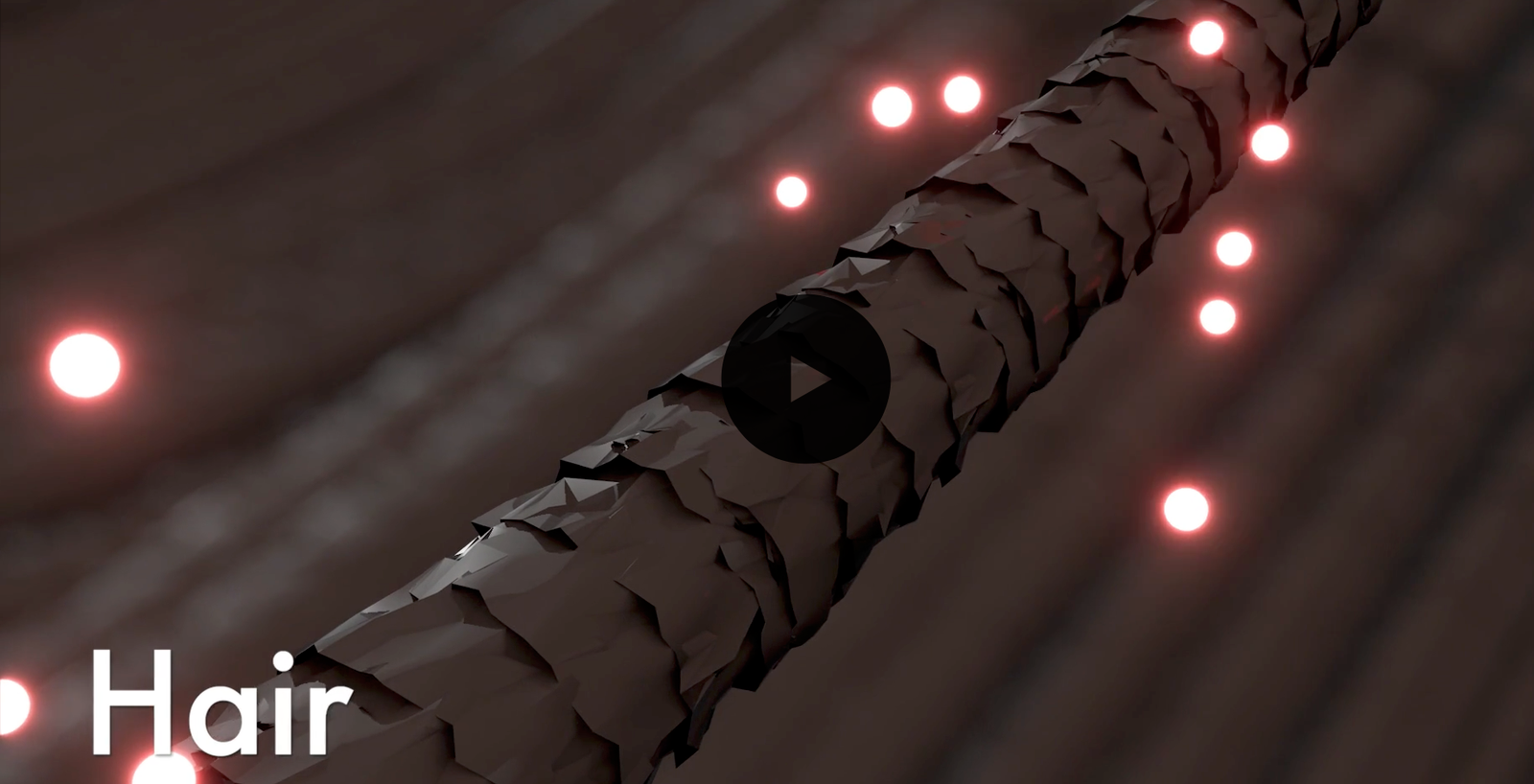
Clinical illustration of hair and scalp07

Hair & Scalp Clinic

Study the cause before choosing treatment.

Hair loss is not a single diagnosis. Evaluation considers the pattern and rate of shedding, scalp health, nutrition, medicines, hormones, family history and associated illness.

Common concerns

  • Pattern hair loss and diffuse shedding
  • Alopecia areata and scarring alopecia
  • Scalp scaling, inflammation and hair-shaft disorders

Clinical approach

Plans may involve medical therapy, scalp treatment, selected investigations, procedural options or surgical referral. Progress is documented and reviewed over time.

Dermatological laser treatment equipment08

Laser Clinic

Technology selected for the diagnosis—not the trend.

Laser and energy-based procedures require accurate diagnosis, appropriate device selection and careful parameter planning. Skin type, treatment area, medical history and risk of pigment change are reviewed first.

Selected indications

  • Hair reduction
  • Appropriate pigment and tattoo concerns
  • Selected acne scars, texture and rejuvenation procedures

Safety first

Eye protection, test settings where appropriate, aftercare and realistic expectations are integral to treatment. Multiple sessions may be required and outcomes vary.

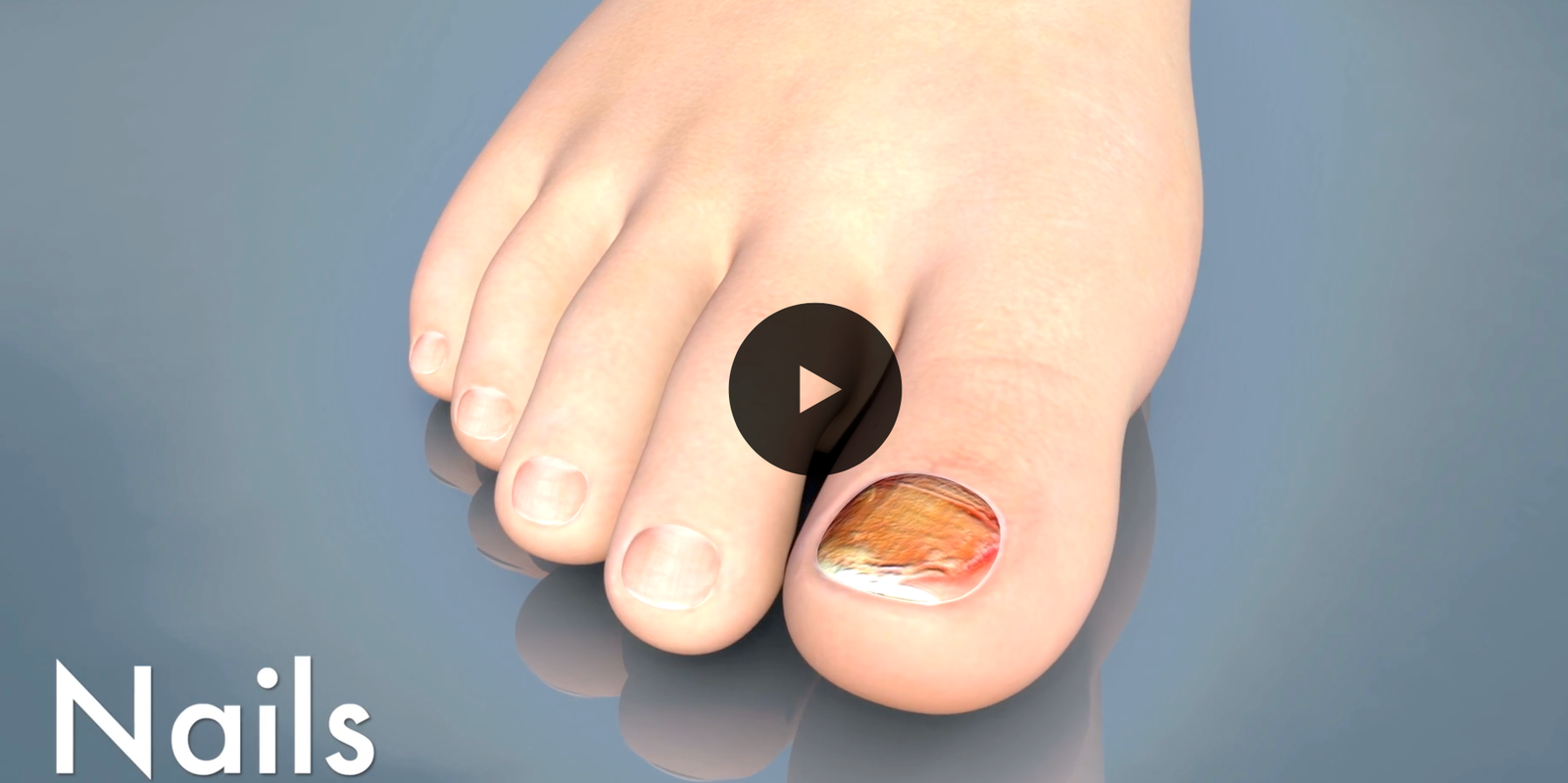
Clinical illustration of nail structure09

Nail Clinic

Nail changes deserve a precise diagnosis.

Nail discolouration, thickening, splitting, pain or deformity may result from infection, inflammation, trauma, tumours or systemic disease. Appearance alone is not enough to diagnose fungal infection.

Evaluation may include

  • Nail and surrounding-skin examination
  • Microscopy, fungal testing or culture
  • Selected nail biopsy or imaging

Clinical approach

Treatment is diagnosis-specific and may include medical care, protective advice, procedural treatment or nail surgery when indicated.

Skin health illustration for psoriasis education10

Psoriasis Clinic

Long-term control with informed follow-up.

Psoriasis is a chronic immune-mediated condition that may affect the skin, scalp, nails and joints. Severity is assessed by extent, site, symptoms, quality-of-life impact and associated health conditions.

Care priorities

  • Control inflammation and scaling
  • Screen for joint symptoms and associated risks
  • Build a sustainable maintenance plan

Possible options

Depending on severity, treatment may include topical therapy, phototherapy, systemic medicines or biologic therapy with appropriate monitoring.

Detailed skin examination supporting vitiligo care11

Vitiligo Clinic

Scientific care with compassionate communication.

Vitiligo causes loss of skin pigment and is not contagious. Assessment examines distribution, activity, stability, associated autoimmune history and the effect on the patient’s wellbeing.

Care may include

  • Medical treatment and sun-protection guidance
  • Whole-body or targeted phototherapy
  • Camouflage advice and psychosocial support

Procedural options

For carefully selected stable cases, surgical techniques may be discussed. Suitability depends on stability, site, extent and realistic expectations.

Unsure which clinic you need?

You do not need to diagnose the condition yourself. A dermatological consultation can direct you to the appropriate focused clinic, investigation or treatment pathway.

Schedule a Consultation